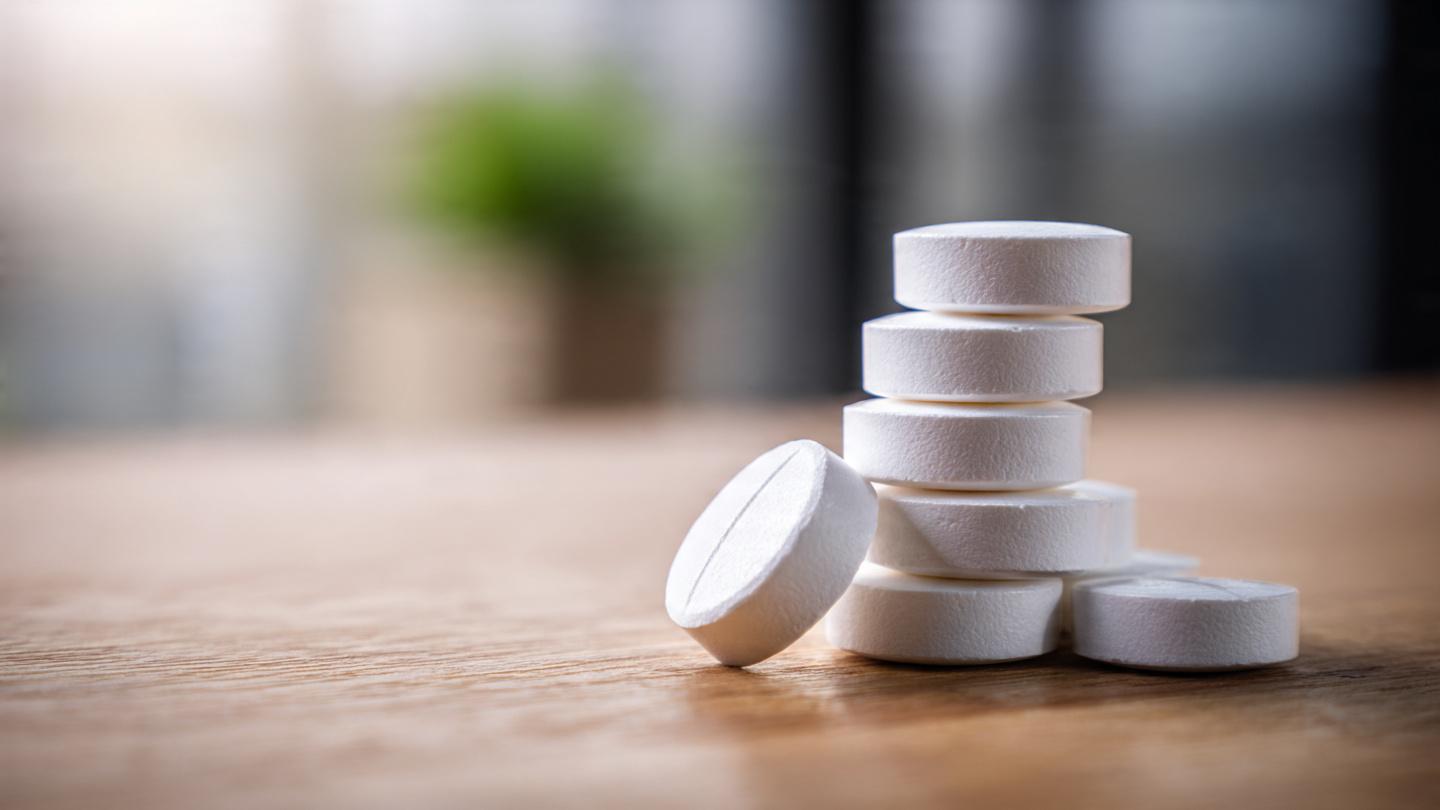
Introduction to Tablets
Tablets are the most widely used pharmaceutical dosage forms because they are convenient,stable,easy to administer and suitable for large-scale manufacturing.They provide accurate dosing and are generally preferred by both patients and manufacturers.
In modern pharmacy,tablets are used for a wide range of therapeutic applications,from pain relief and antibiotics to chronic disease management.Understanding tablet formulation and manufacturing is essential for D.Pharm and B.Pharm students.
Definition of Tablet
A tablet is a solid dosage form containing one or more active pharmaceutical ingredients along with suitable excipients.Tablets are usually prepared by compression and are primarily intended for oral administration.
Advantages of Tablets
- Accurate dosing
- Easy administration
- Good stability
- Convenient packaging and transport
- Low manufacturing cost
- Suitable for mass production
- Possibility of taste masking through coating
- Long shelf life
Disadvantages of Tablets
- Difficulty in swallowing for some patients
- Not suitable for drugs with poor compressibility
- Possible gastrointestinal irritation
- Slower onset of action compared to injections
Types of Tablets
Compressed Tablets
Compressed tablets are prepared by direct compression of powders or granules.They represent the most common type of tablet used in pharmaceutical practice.
Sugar-Coated Tablets
Sugar-coated tablets are covered with a sugar layer to improve taste and appearance.They also help protect the drug from environmental conditions.
Film-Coated Tablets
Film-coated tablets contain a thin polymer coating that provides protection while adding minimal weight.
Enteric-Coated Tablets
These tablets resist disintegration in the stomach and release the drug in the intestine.
Sublingual Tablets
Sublingual tablets are placed under the tongue and provide rapid drug absorption through the oral mucosa.
Chewable Tablets
Chewable tablets are intended to be chewed before swallowing and are commonly used in pediatric and antacid preparations.
Effervescent Tablets
Effervescent tablets are dissolved in water before administration and produce carbon dioxide when mixed with water.
Sustained Release Tablets
These tablets are designed to release the drug slowly over an extended period of time.
Components of Tablet Formulation
Active Pharmaceutical Ingredient (API)
The API is the therapeutic substance responsible for producing the desired pharmacological effect.
Diluents
Diluents increase the bulk of the tablet and facilitate manufacturing.
- Lactose
- Microcrystalline Cellulose
- Dicalcium Phosphate
Binders
Binders promote adhesion between powder particles and improve granule formation.
- Starch Paste
- Povidone (PVP)
- Gelatin
Disintegrants
Disintegrants facilitate tablet breakup after administration.
- Sodium Starch Glycolate
- Crospovidone
- Croscarmellose Sodium
Lubricants
Lubricants reduce friction during tablet compression and ejection.
- Magnesium Stearate
- Talc
Methods of Tablet Manufacturing
Wet Granulation
Wet granulation involves mixing powders with a granulating fluid to form granules that are subsequently dried and compressed.
Dry Granulation
Dry granulation is used when the drug is sensitive to moisture or heat.
Direct Compression
Direct compression is a simple and economical method in which powders are compressed directly into tablets.
Tablet Compression
Tablet compression is carried out using tablet compression machines equipped with dies and punches.Compression force transforms granules into compact tablets with adequate hardness.
Tablet Coating
Tablet coating improves stability,appearance,patient acceptability and drug release characteristics.
Objectives of Coating
- Taste masking
- Moisture protection
- Improved appearance
- Modified drug release
Types of Coating
- Sugar Coating
- Film Coating
- Enteric Coating
Evaluation Tests for Tablets
Hardness Test
Measures the mechanical strength of tablets.
Friability Test
Determines the resistance of tablets to abrasion and shock.
Weight Variation Test
Ensures uniformity of tablet weight.
Disintegration Test
Measures the time required for a tablet to break into smaller particles.
Dissolution Test
Evaluates the rate and extent of drug release.
Common Tablet Defects
Capping
Separation of the top or bottom portion of a tablet from the main body.
Lamination
Separation of the tablet into multiple layers.
Cracking
Appearance of fine cracks on the tablet surface.
Picking
Adhesion of tablet material to the punch face.
Sticking
Adhesion of granules to the die wall or punch surface.
Storage of Tablets
- Store in a cool and dry place.
- Protect from excessive moisture.
- Avoid direct sunlight.
- Use appropriate packaging materials.
Exam Tips for Students
- Learn tablet defects and their causes carefully.
- Remember the functions of common excipients.
- Understand differences between wet granulation and direct compression.
- Prepare short notes on coating methods and evaluation tests.
Conclusion
Tablets remain the most important solid dosage form in pharmaceutical practice.Their formulation,manufacturing,coating,evaluation and storage are fundamental topics in pharmaceutics.A clear understanding of tablet technology helps pharmacy students build a strong foundation for industrial pharmacy and dosage form design.
Why are tablets coated ?
Tablets are coated to improve taste,stability and appearance.
What is a tablet in pharmaceutics ?
A tablet is a solid dosage form prepared by compression or molding methods for oral administration.
Discover more from Pharmacy Helper
Subscribe to get the latest posts sent to your email.